
 ings
Claude Opus 5.5 vs Fable 5.2: Which Model Should You Use?
Opus 5.5 is the starting point for everyday coding and knowledge work. Fable 5.2 costs twice as much per token—consider it when Opus at high effort still falls short.
Opus 5.5 is the starting point for everyday coding and knowledge work. Fable 5.2 costs twice as much per token—consider it when Opus at high effort still falls short.
Fable 5.2 delivers stronger benchmark results at lower token prices. Here is what its gains, limitations, effort settings, and launch offers mean for choosing it over Opus.
YC’s Winter 2027 startup wishlist points beyond better models. The opportunity is to solve what keeps AI from becoming useful: physical capacity, financing, deployment control, and reliable execution.

From sci-fi shooters and kart racers to explorable planets, these 11 AI-assisted game projects showcase a range of ideas, with links to creator demos and public code.
Several AI agents can finish work faster, but their questions, errors and overlapping edits can eat up the gains. Here are three ways to keep the work moving.

Compare Claude’s free and paid plans, understand what usage limits mean, and decide when Pro or Max is worth the extra cost.

Disney’s $20 million bid covers selected rights, while Character.AI’s platform faces an uncertain future—highlighting the gap between strong user engagement and a sustainable AI business.
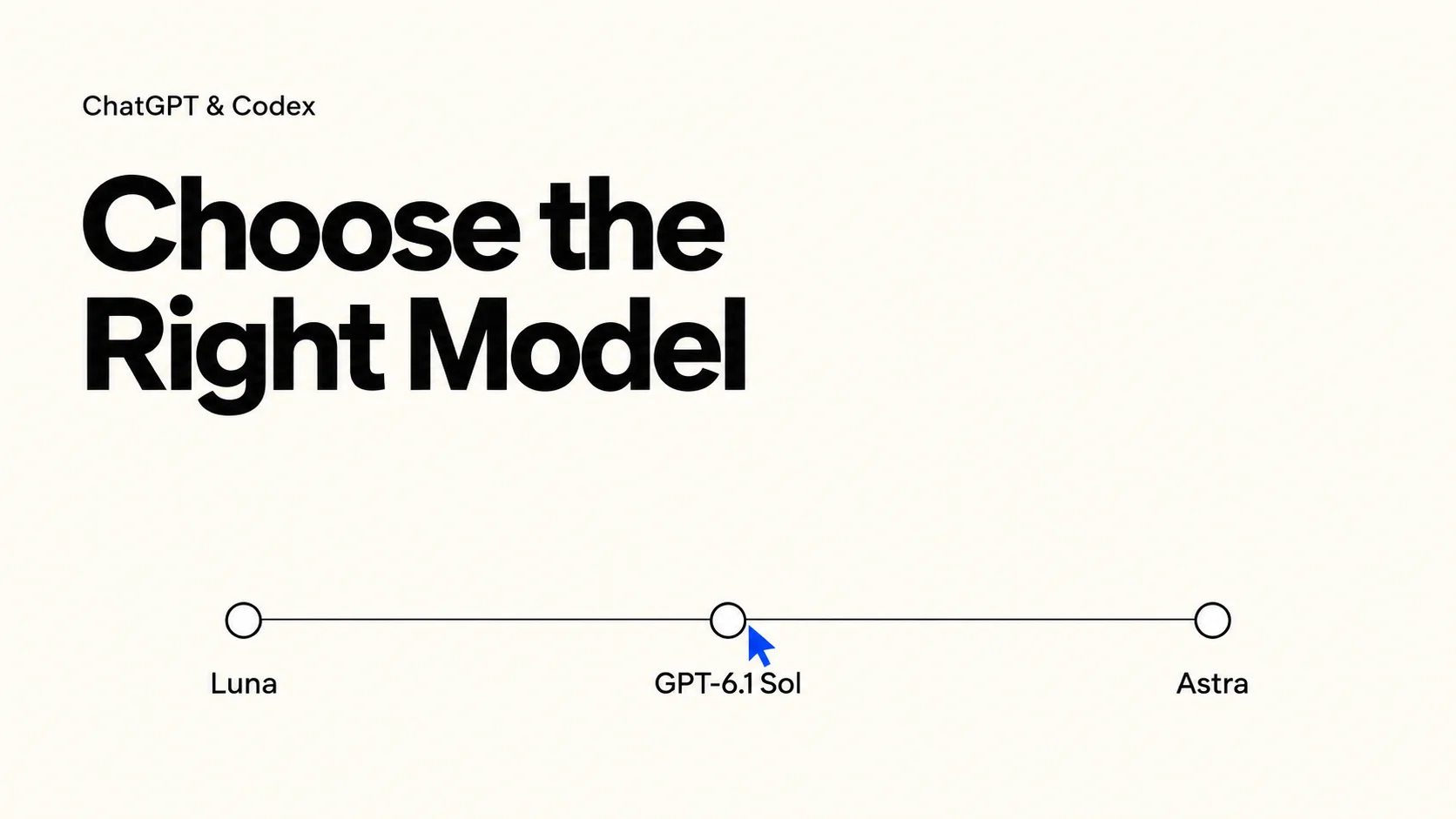
Compare GPT-6 Luna, GPT-6.1 Sol, and GPT-6 Astra for everyday work and coding. Learn which model to try, how to adjust reasoning effort, and when an upgrade is worth the extra usage.
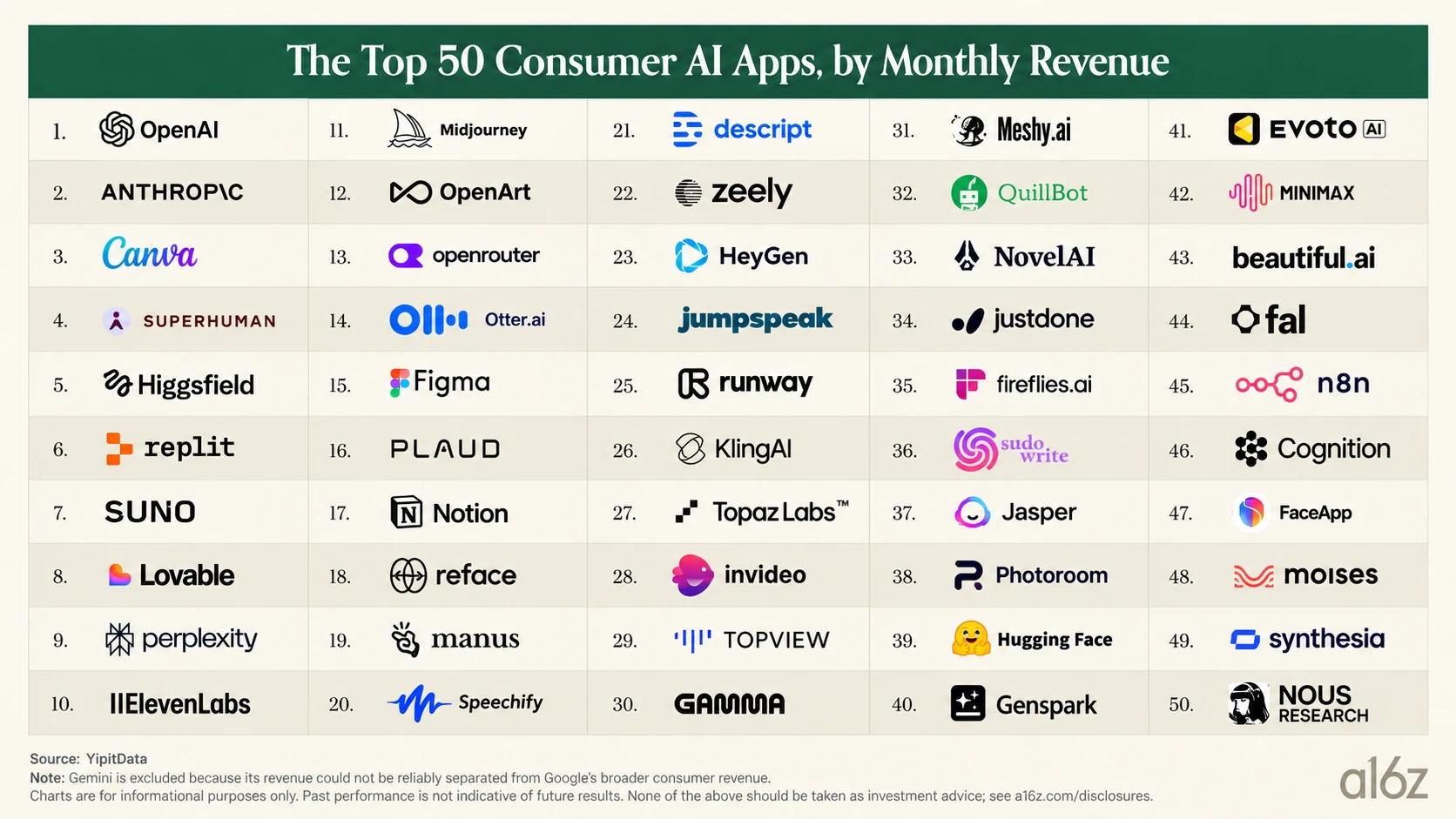
AI adoption is growing, but spending remains concentrated among power users. a16z’s report reveals how ChatGPT and Claude serve different audiences—and how personal agents could unlock everyday usage and revenue beyond subscriptions.
Set up OpenAI Dots in the ChatGPT mobile app, delegate coding tasks to Codex, and track progress. Learn how to review results and use Codex’s suggested follow-up messages.
Learn how to use Muse AI to turn meeting notes into a clear summary and action list, with practical prompts for identifying task owners, checking deadlines, and refining your first draft.