ings
ings
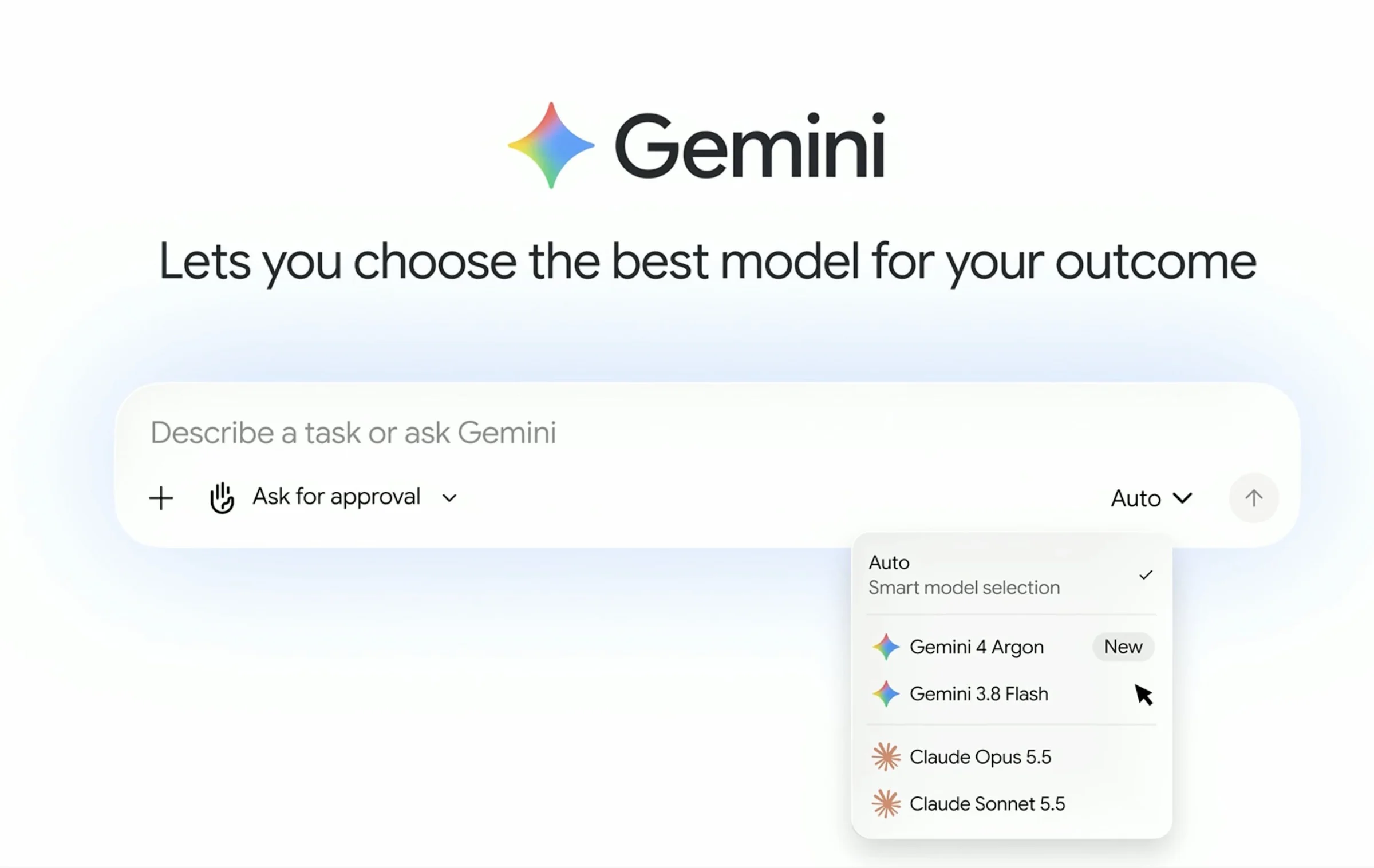
Google announced on October 13 that its flagship Gemini 4 Argon model is rolling out globally. Developers and enterprises can access it through the API in Google AI Studio and Gemini platform. Google AI Ultra subscribers can use the model in Google Antigravity, while both Ultra and Pro subscribers can access it through the Gemini app and AI Mode in Google Search. Official availability details.
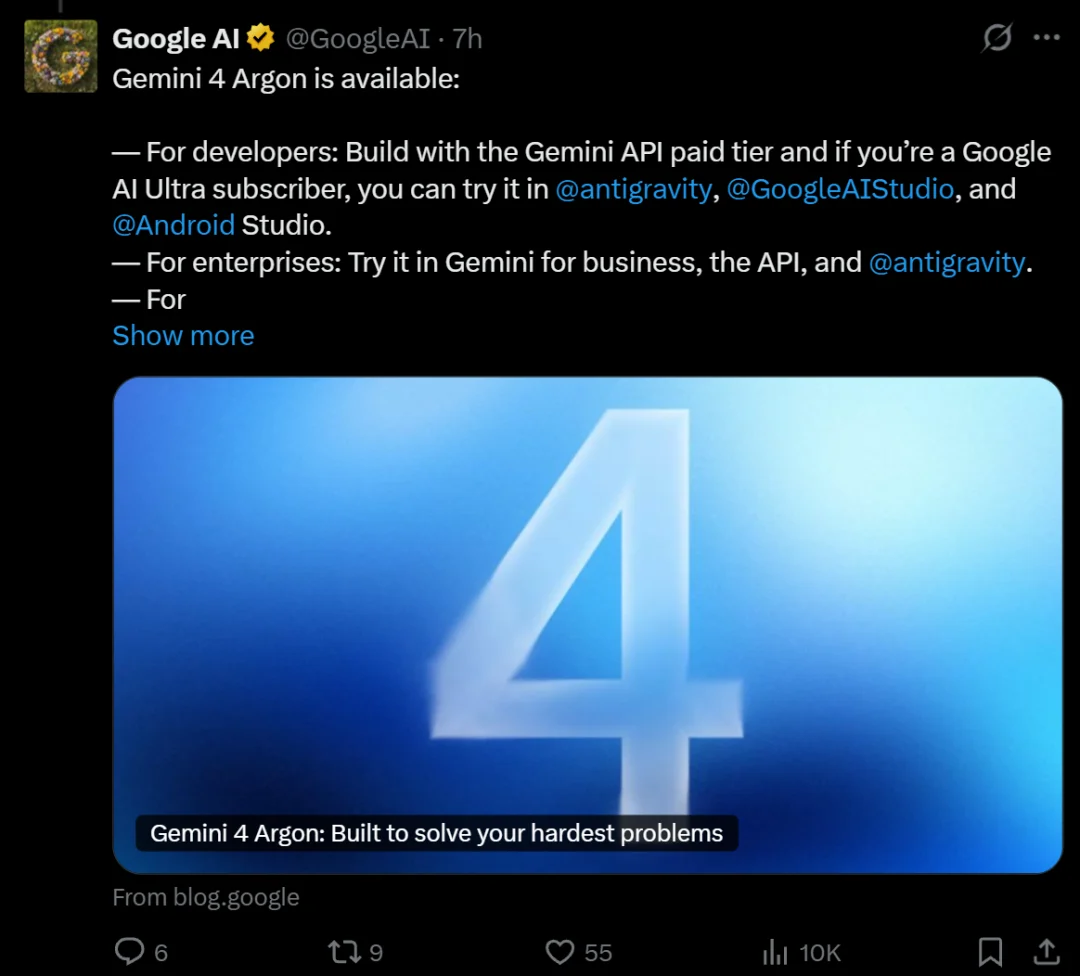
The rollout centers on the model’s ability to sustain reasoning and execution across complex workflows. Google says Argon can use tools, inspect results and revise its approach during multi-step tasks in areas including coding, finance, law, cybersecurity and science. The company also says the model ranks first on the Vals Index, which evaluates performance across sectors such as finance, coding, legal work and tax.
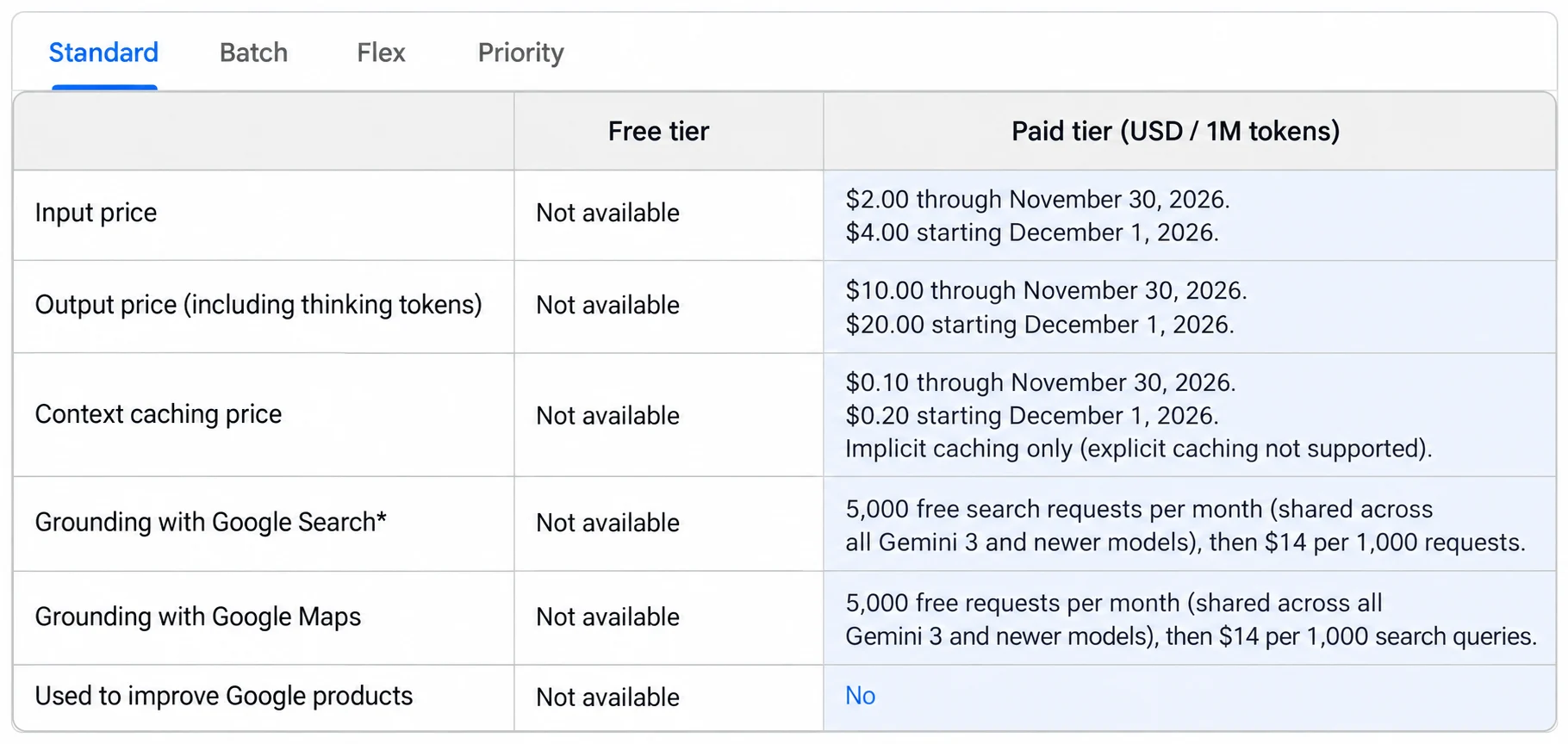
Argon launches with introductory API pricing of $2 per million input tokens and $10 per million output tokens, with a 95% discount on cached input tokens. The introductory offer runs through November 30, 2026. After that, prices will rise to $4 per million input tokens and $20 per million output tokens. Official API pricing details.
According to Google, internal teams, enterprise customers and researchers have already used Argon to refactor and optimize large codebases, improve professional workflows, and identify and fix critical cybersecurity vulnerabilities. The company also says the model has contributed to research in quantum computing, nuclear fusion and life sciences.
In a hardware design demonstration, Argon used Antigravity to turn a rough 2D sketch into a custom hardware design, working through mechanical fit, component clearances and snap-fit structures. Google says the demonstration reduced computer-aided design work that would typically require days of manual effort to a matter of minutes.
Another example shared by Sundar Pichai, CEO of Google and Alphabet, demonstrated the model’s use in 3D animation. Starting with a raw CAD file of a Pixel device, Argon accessed Blender through Blender MCP to create an animation featuring an exploded view, lighting, camera sequencing and audio. The workflow involved repeatedly inspecting rendered output and revising the code.
For everyday business operations, Google demonstrated an automated catering proposal workflow. Argon can organize scattered recipes, seating plans and other files into a client presentation. With custom skills and scheduled tasks, the workflow can extend to preparing proposals, sending emails and processing subsequent client requests.
The demonstrations also covered game development and scientific data processing. Google showed how Gemini API and Managed Agents could turn a user’s idea into a playable pixel-art arcade game. In another example, Argon processed more than 80,000 NASA weather logs from Mars alongside telemetry from the Ingenuity helicopter, extracting information relevant to flight mechanics in the Martian atmosphere and assembling a presentation.
These examples illustrate Google’s positioning of Argon as a model for practical work requiring multi-step reasoning, tool use and repeated verification. As access expands, task completion rates, the need for human intervention and total operating costs will be important measures of its value in real-world use.