ings
ings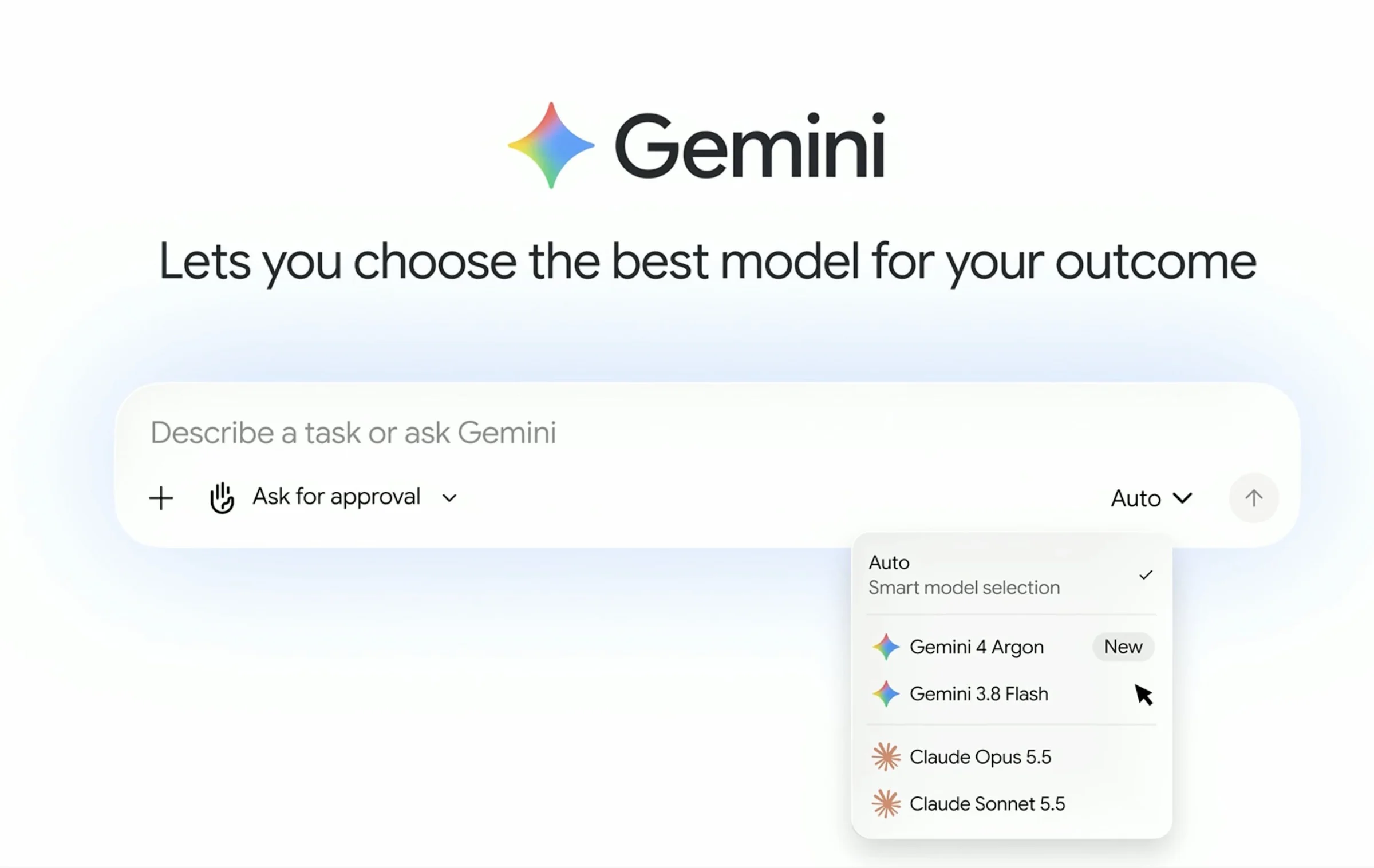
Google is bringing Anthropic’s Claude models into its new Gemini agent for work. In its October 8 announcement, Google separates the agent from its underlying model: one interface can coordinate tasks across Gemini and Claude, with other models planned for the future.
The agent is designed to become a place where users delegate work. Google Cloud CEO Thomas Kurian describes a system that handles research, content creation, and coding, retains context in the cloud, and creates sub-agents for complex assignments. Google says flexible model selection is intended to improve results and control costs.
Grok is pursuing a similar approach. According to City AM, Elon Musk said Grok Bot would select the back-end model best suited to each task, including Claude, alongside services such as Midjourney and Suno. This concerns task routing within the agent product; it does not establish that Grok’s own models are being replaced.
These October announcements suggest a new competitive front: the platform controlling the agent interface can also influence the user relationship, workflow, and choice of underlying models. Model quality remains essential, but the strongest model does not necessarily own the customer.
For OpenAI, the challenge is keeping GPT a destination users actively choose. If more people access it through third-party agents, the company could face pressure to become a less visible API supplier.
A partnership with Meta, embedding GPT more deeply into social and commercial experiences, could offer one route forward, but remains a strategic possibility, not an announced agreement. OpenAI can also expand through its own products. The next contest will test both model and platform capabilities: who can turn user requests into reliably completed work?